How Artificial Intelligence Is Improving Language Learning and Translation
Introduction
Learning a new language can create opportunities in education, employment, travel, international business, and personal communication. However, language learning requires consistent practice, exposure to real conversations, vocabulary development, grammar knowledge, and an understanding of cultural differences. Traditional learning methods are valuable, but students do not always have access to individual tutors or opportunities to practice with native speakers.
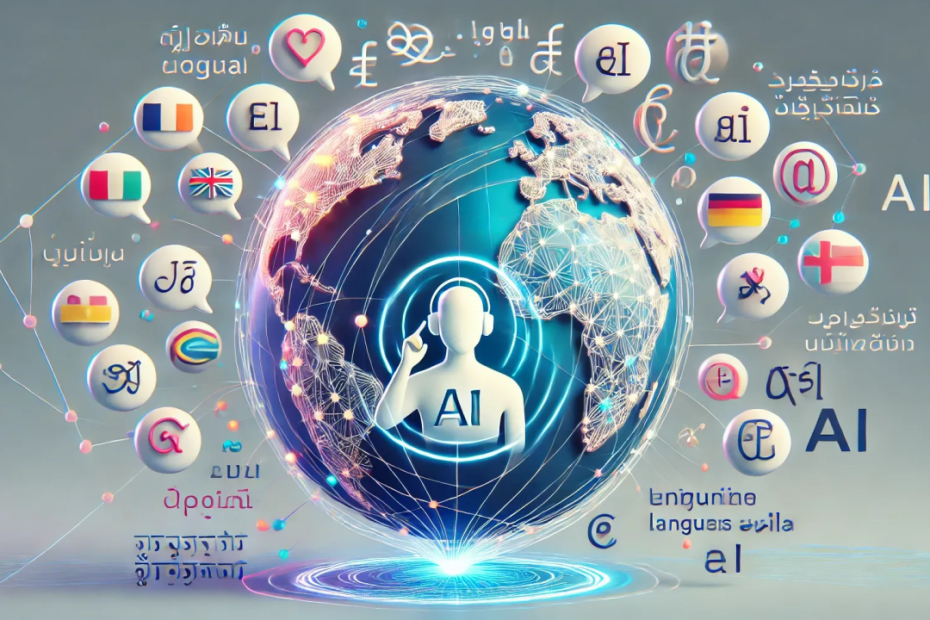
Artificial intelligence is helping make language learning more accessible through personalized exercises, conversational practice, pronunciation feedback, automated translation, and intelligent educational platforms. These tools can support learners at different levels and provide opportunities to practice whenever convenient.
Providing Personalized Language Lessons
Every language learner progresses differently. Some students understand grammar quickly but struggle with pronunciation, while others can communicate comfortably but need to improve their writing skills. AI-powered educational systems can analyze learning progress and recommend exercises based on individual performance.
For example, a student learning English may repeatedly make mistakes when using past-tense verbs. An intelligent learning platform can recognize this pattern and provide additional explanations, exercises, and examples focused on that subject.
Students who already understand a particular topic can move toward more advanced exercises instead of spending unnecessary time repeating familiar material. This can make language learning more efficient and motivating.
Offering Conversational Practice
Speaking practice is one of the most important parts of learning a language. However, learners may feel uncomfortable speaking with other people because they are worried about making mistakes.
AI conversational assistants can provide a low-pressure environment where students practice everyday situations. They can simulate conversations about shopping, travel, work, restaurants, education, and other common topics.
For example, a learner may practice ordering food in English or preparing for a job interview in another language. The assistant can respond to questions and help the learner continue the conversation.
This does not completely replace interaction with real people, because human conversations include cultural context, emotions, and communication styles that automated systems may not fully understand. Nevertheless, AI can provide valuable additional practice.
Improving Pronunciation
Pronunciation can be challenging because different languages use sounds, rhythms, and speech patterns that may be unfamiliar to learners. AI speech recognition tools can analyze spoken language and provide feedback about pronunciation and clarity.
Some applications can identify words that were misunderstood by the system and help students recognize which sounds require more practice. Learners can repeat exercises and monitor improvement over time.
Pronunciation feedback is not always perfect. Regional accents and individual speech differences should be respected, and the goal should be clear communication rather than eliminating every characteristic of a person’s natural accent.
Making Translation More Accessible
Translation technology allows people to communicate across language barriers. AI-powered translation systems can process written text, spoken conversations, and sometimes images containing text.
Travelers can use translation tools to understand menus, signs, instructions, and basic conversations. Businesses can translate product descriptions, customer support information, and general communication for international audiences.
AI translation can also help students access educational materials written in other languages. This can make information more accessible and support international collaboration.
Supporting Teachers
Language teachers can use AI to prepare vocabulary exercises, create reading comprehension questions, generate conversation topics, and organize learning materials. These tools can reduce preparation time and provide more opportunities for classroom activities.
Teachers can also use learning analytics to identify topics that students find difficult. They can then adjust lessons and provide additional support where necessary.
Learning Cultural Context
Language is closely connected to culture. Words and expressions may have different meanings depending on the situation, relationship, or country. AI tools can help explain idioms, informal expressions, and differences between formal and conversational language.
For example, a learner may ask why a particular expression is commonly used in informal conversation but would sound inappropriate in a professional email. An AI assistant can provide examples and explain the context.
These explanations should be checked when cultural accuracy is especially important, because language use varies across regions and communities.
Conclusion
Artificial intelligence can improve language learning through personalized lessons, conversational practice, pronunciation assistance, translation, and teacher support. It allows learners to practice more frequently and access educational resources more conveniently. When combined with human interaction, cultural learning, and consistent study, AI can become a valuable companion in developing language skills.