The Benefits of Artificial Intelligence in Insurance and Risk Assessment
Introduction
The insurance industry helps individuals and businesses manage financial risks associated with accidents, property damage, illness, travel disruptions, and other unexpected events. Insurance companies must evaluate applications, estimate potential losses, calculate premiums, process claims, and detect fraudulent activity. These activities require the analysis of large amounts of information and careful decision-making.
Artificial intelligence is helping insurance companies improve many of these processes. AI systems can analyze historical claims, identify patterns, automate selected administrative tasks, and support risk assessment. When implemented responsibly, these capabilities can make insurance operations faster and more efficient.
Improving Risk Assessment
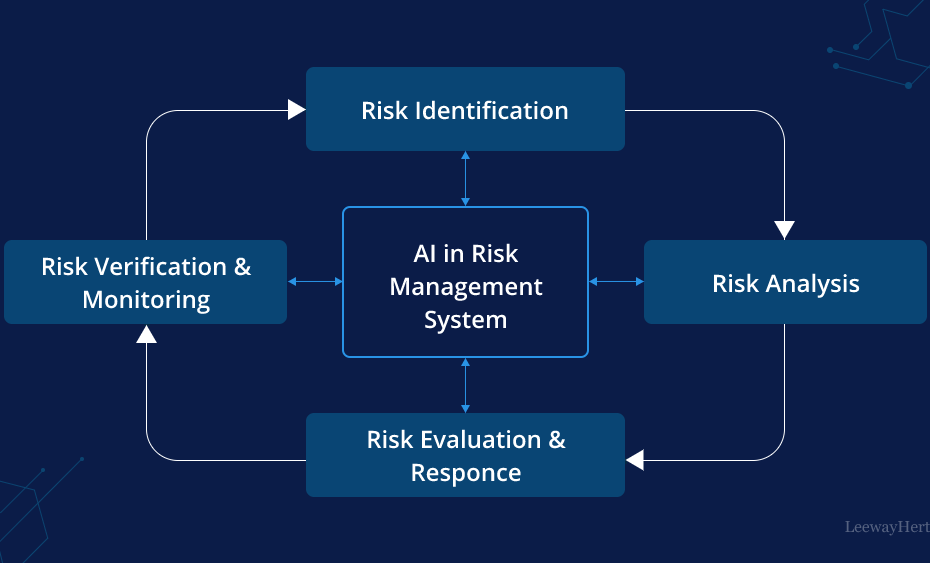
Insurance companies need to understand the likelihood and potential financial impact of different events. Traditionally, risk assessment relies on statistical models, historical records, expert analysis, and information provided by applicants.
AI can analyze large datasets and identify relationships between different risk factors. Depending on the insurance category, these factors may include property characteristics, historical claims, vehicle information, geographic conditions, or business activities.
For example, property insurers may use data about building characteristics, weather exposure, and historical damage patterns to support risk evaluation. Vehicle insurers may analyze driving-related information where legally permitted and appropriately disclosed.
AI models can provide additional insights, but they must be carefully tested. Historical data may contain errors or reflect unfair patterns, and insurance decisions should comply with applicable regulations and fairness requirements.
Accelerating Claims Processing
When customers submit insurance claims, companies must review documents, verify information, evaluate damage, and determine whether a policy covers the event. This process can sometimes take considerable time.
AI-powered document processing can extract information from claim forms, invoices, photographs, and supporting documents. Systems can organize files, identify missing information, and direct claims to the appropriate department.
For certain types of property or vehicle claims, image recognition may help identify visible damage and estimate the information that requires further assessment. Complex cases should still receive expert inspection and review.
Detecting Insurance Fraud
Insurance fraud can create financial losses and increase costs across the industry. Fraudulent activity may involve false claims, manipulated documents, staged accidents, or deliberately misleading information.
AI systems can analyze claim histories and identify patterns that appear unusual. They may detect repeated connections between claims, inconsistent information, suspicious timing, or other signals that deserve investigation.
These systems can help investigators prioritize cases, but an automated alert does not prove that fraud has occurred. Fair procedures and human review are essential before decisions are made that affect customers.
Improving Customer Service
Insurance customers often need assistance with policy information, premium payments, coverage details, renewals, and claim procedures. AI-powered assistants can answer common questions and guide customers through basic processes.
For example, a customer may ask which documents are generally required when reporting vehicle damage. An AI assistant connected to the insurer’s approved information can provide relevant instructions and direct the customer to the appropriate claims process.
More complicated situations, particularly disputes or sensitive financial matters, should be transferred to qualified employees who can understand the individual circumstances.
Personalizing Insurance Services
Customers have different needs depending on their lifestyles, assets, businesses, and financial circumstances. AI can help insurers organize customer information and identify products or coverage options that may be relevant.
For example, a small business may need different coverage depending on its industry, equipment, location, and number of employees. Intelligent systems can help organize this information and support conversations with insurance professionals.
Personalization should not become intrusive or lead to inappropriate discrimination. Customers should understand how their information is used and have appropriate choices regarding data sharing.
Supporting Catastrophe Preparation
Insurance companies must prepare for events such as floods, storms, wildfires, and earthquakes. AI can analyze weather information, geographic data, satellite imagery, and historical claims to help assess potential exposure.
These insights may help insurers plan resources, estimate possible claims volumes, and communicate with customers before or after major events. Public authorities and emergency services may also use related information for disaster preparation.
Conclusion
Artificial intelligence can improve the insurance industry through risk assessment, claims processing, fraud detection, customer service, personalization, and catastrophe preparation. These applications can reduce administrative delays and help companies make more informed decisions. Fairness, transparency, privacy protection, and human review remain essential because insurance decisions can have significant financial consequences.