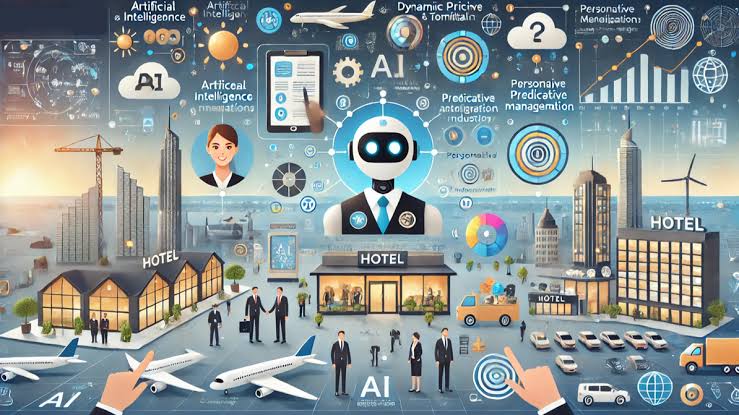
The Benefits of Artificial Intelligence in Tourism and Hospitality Management
Introduction
Tourism and hospitality are important industries that connect travelers with hotels, restaurants, transportation providers, attractions, and cultural experiences. Businesses in this sector must manage changing demand, communicate with international customers, coordinate bookings, and maintain high service standards.
Artificial intelligence is helping tourism and hospitality companies improve customer communication, personalize recommendations, forecast demand, manage hotel operations, and organize travel services. These applications can make travel planning easier for customers while helping businesses operate more efficiently.
Personalizing Travel Recommendations
Travelers have different interests and budgets. Some prefer beaches and relaxation, while others enjoy historical attractions, outdoor activities, food experiences, or cultural events.
AI recommendation systems can analyze preferences, previous bookings, search activity, and destination information to suggest relevant travel options. A traveler interested in history may receive recommendations for museums, historic neighborhoods, and guided cultural tours.
Personalized suggestions can make travel research more convenient and help visitors discover destinations and activities that match their interests. Recommendations should be transparent and should not rely on inaccurate descriptions or misleading information.
Improving Hotel Customer Service
Hotels receive many questions about reservations, check-in times, room facilities, restaurant services, transportation, and local attractions. AI-powered virtual assistants can answer common questions and provide information throughout the day.
For example, a guest may ask how to connect to the hotel’s Wi-Fi, request information about breakfast hours, or ask for directions to a nearby attraction. An intelligent assistant connected to accurate hotel information can respond quickly.
AI can also help staff manage guest requests by organizing messages and directing them to the appropriate department. Personal assistance remains important for complaints, special requirements, and complicated situations.
Optimizing Hotel Pricing and Demand
Hotels must balance room availability, operating costs, and customer demand. Prices can change depending on seasons, holidays, major events, local demand, and competitor activity.
AI-powered forecasting systems can analyze booking patterns and historical demand to support revenue management. They may help hotels understand when demand is likely to increase and when promotional offers could be useful.
Pricing recommendations should be reviewed to ensure that they remain commercially appropriate and consistent with applicable consumer protection requirements.
Supporting Hotel Operations
Hotels coordinate housekeeping, maintenance, room allocation, restaurant services, and employee schedules. AI can help organize these activities by analyzing occupancy levels, guest requests, and operational information.
For example, a hotel may use intelligent scheduling tools to coordinate room cleaning according to expected check-in times. Predictive maintenance systems can also monitor equipment information and alert staff when an elevator, heating system, or other facility may require inspection.
Better coordination can reduce delays and help employees concentrate on guest service.
Improving Travel Planning
Planning a trip often involves comparing flights, hotels, transportation, attractions, and schedules. AI assistants can help travelers organize these details into structured itineraries based on their available time and preferences.
They can also summarize destination information, explain transportation options, and suggest alternative activities when weather or scheduling changes affect the original plan.
Travelers should verify important details such as booking conditions, visa requirements, opening hours, and transportation schedules through authoritative sources because information can change.
Supporting Multilingual Communication
Tourism businesses serve international visitors who may speak different languages. AI translation tools can help staff understand customer messages, translate basic information, and prepare multilingual materials.
Restaurants can use translated menus, hotels can provide multilingual instructions, and tour operators can communicate basic information to visitors from different countries.
Professional review is important for safety instructions, legal terms, and information where translation errors could cause significant problems.
Improving Destination Management
Tourist destinations must manage visitor numbers, transportation, public facilities, and environmental pressures. AI can analyze visitor statistics, traffic patterns, and booking information to help authorities understand demand.
For example, destination managers may use analytics to identify periods when popular attractions become overcrowded. They can use these insights to improve visitor communication, adjust transportation services, and encourage exploration of less crowded locations.
Conclusion
Artificial intelligence can improve tourism and hospitality through personalized travel recommendations, hotel customer service, demand forecasting, operational coordination, itinerary planning, multilingual communication, and destination management. These applications can make travel more convenient while helping businesses improve service quality. Accurate information, privacy protection, and genuine human hospitality remain essential to creating positive travel experiences.